
Abstract
As clinical development grows increasingly complex and talent markets remain constrained, sponsors are reevaluating traditional outsourcing paradigms. While Functional Service Provider (FSP) models have gained widespread adoption, misconceptions continue to limit strategic utilization. This paper examines the FSP continuum, clarifies common barriers to adoption, and presents real-world applications demonstrating how FSP can complement existing Full-Service Outsourcing (FSO) and contractor-based models without requiring wholesale operational restructuring.
Introduction
Sponsors face mounting pressures:
- Constrained monitoring capacity
- Workforce volatility
- Increased regulatory scrutiny
- Escalating development costs
In response, nearly 90% of sponsors now utilize FSP or hybrid outsourcing models across portions of their portfolios. Despite this broad adoption, hesitation persists, often rooted in misconceptions regarding infrastructure requirements, incompatibility with FSO models, or reliance on contractor-based resourcing.
This white paper proposes a reframing: FSP should be viewed not as a replacement model, but as a configurable continuum that enhances operational optionality.
The FSP Continuum
Outsourcing models exist along a spectrum (Figure 1):
- Full-Service Outsourcing (FSO)
- Single- or multi-service modular outsourcing
- Hybrid or blended models
- Embedded FSP support
- Full functional carve-out under FSP
- Fully insourced operations
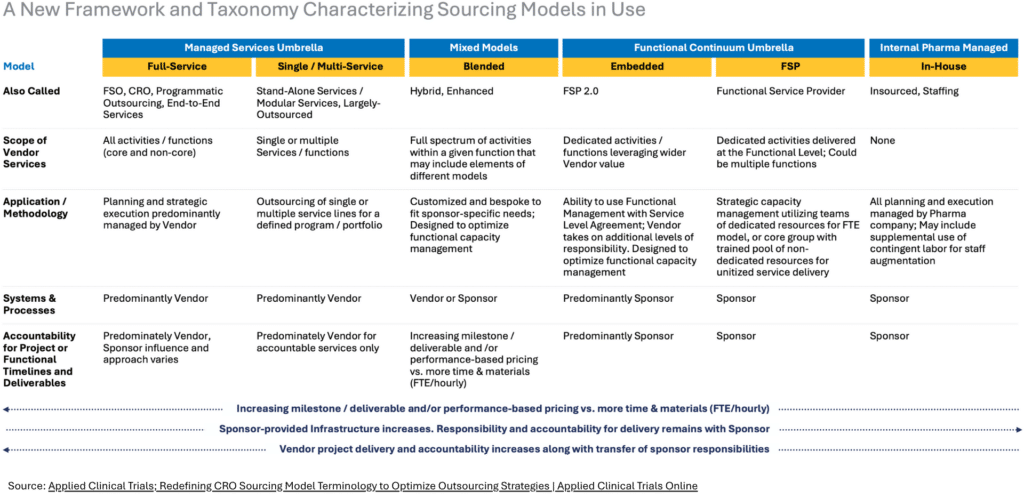
(Figure 1: FSP Continuum)
Within the FSP spectrum itself, maturity ranges from tactical embedded support to full functional management with accountability for outcomes and governance structures (Figure 2). Understanding this gradation is critical. FSP is not a singular structure, but an adaptable framework capable of aligning with varying sponsor needs.
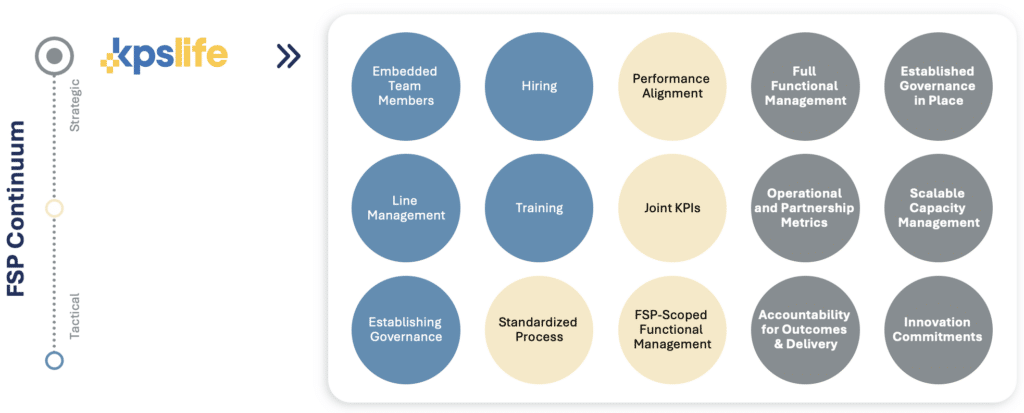
(Figure 2: Operational model optionality)
Addressing Three Core Misconceptions
Misconception 1: Infrastructure Limitations Prevent FSP Adoption
Sponsors, particularly emerging biopharma organizations, often assume that FSP requires fully developed SOPs, governance systems, and internal management capacity.
FSP may, in fact, mitigate infrastructure gaps rather than depend on their prior existence.
In practice, FSP partnerships can:
- Provide scalable dedicated resources
- Leverage the partner’s SOPs and systems
- Allow billing directly to studies rather than fixed R&D overhead
- Expand or contract in alignment with pipeline demands
Strategic workforce planning models, such as Blended Workforce Ratio (BWR) assessments, can guide sponsors in determining which roles should remain internal versus externally supported (Figure 3).
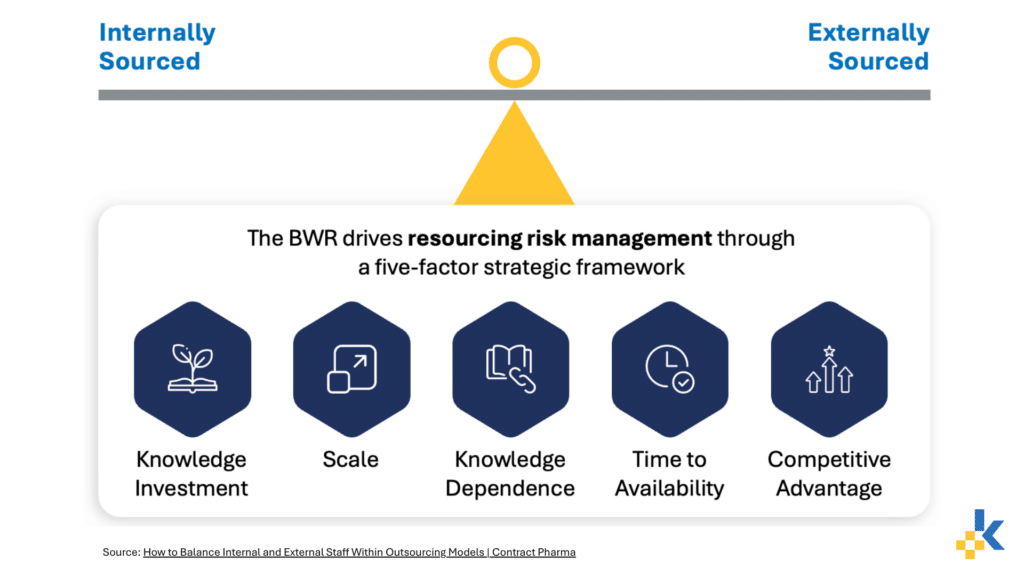
(Figure 3: Balanced workforce ratio is the proportion of external staff relative to the total workforce for a specific role)
Misconception 2: FSP Requires Replacing FSO
Sponsors utilizing full-service CRO models often perceive FSP as disruptive to ongoing studies; however, targeted FSP integration can enhance FSO performance without dismantling existing partnerships.
KPS Life evidence demonstrates that when sponsors faced high CRO turnover and enrollment delays, rapid deployment of FSP monitoring teams stabilized study performance. In one instance:
- 50% of sites transitioned to FSP oversight, driving enrollment and inspection readiness
- Experienced CRA team was deployed within two weeks
- Team capacity expanded threefold within three months, offsetting CRO attrition
- Enrollment and database lock timelines were achieved
- 98% team retention was maintained
- Enrollment and DBL timelines were achieved, with successful audits
This example illustrates that FSP and FSO models can operate synergistically within a tri-party framework. Sponsors do not have to choose between FSO and FSP; they can retain the FSO model for core delivery, while carving out a poorly performing function to an FSP to ensure quality, performance, and sponsor control.
Misconception 3: Contractor Models Provide Equivalent Flexibility
While contractor-based models offer perceived agility, at scale, they introduce:
- Co-employment exposure
- Term-limit-driven churn
- Fragmented management oversight
- Administrative complexity
- Inconsistent cost predictability
Transitioning contractor populations into structured FSP models can preserve high-performing talent while shifting compliance, employment, and management accountability to the FSP partner.
KPS Life case data demonstrates seamless contractor-to-FSP conversion with:
- 100% contractor conversion success
- 100% team retention post-transition
- Rapid onboarding timelines (average 14 days)
- Zero business disruption
- Improved cost predictability
Such transitions enhance continuity while reducing structural risk.
Strategic Implications
FSP adoption should not be evaluated as a binary outsourcing decision. Instead, sponsors should assess:
- Functional performance variability
- Workforce volatility exposure
- Oversight visibility requirements
- Compliance and co-employment risk
- Forecasting predictability needs
When deployed strategically, FSP can:
- Enhance sponsor oversight
- Strengthen site relationships
- Improve retention
- Protect critical timelines
- Stabilize workforce management
- Improve financial forecasting
Conclusion
In an era defined by talent scarcity and operational complexity, sponsors require sourcing models that offer adaptability without systemic disruption.
The FSP continuum provides precisely that flexibility.
Rather than asking whether to adopt FSP, sponsors should evaluate where along the continuum it delivers the greatest strategic value.
FSP does not necessitate wholesale transformation; it enables targeted optimization.